
Handle every drilling cycle in stride
One-button automation takes the repetitive work out of pipe changes, keeping operators safely behind the controls while drilling keeps moving.
Learn More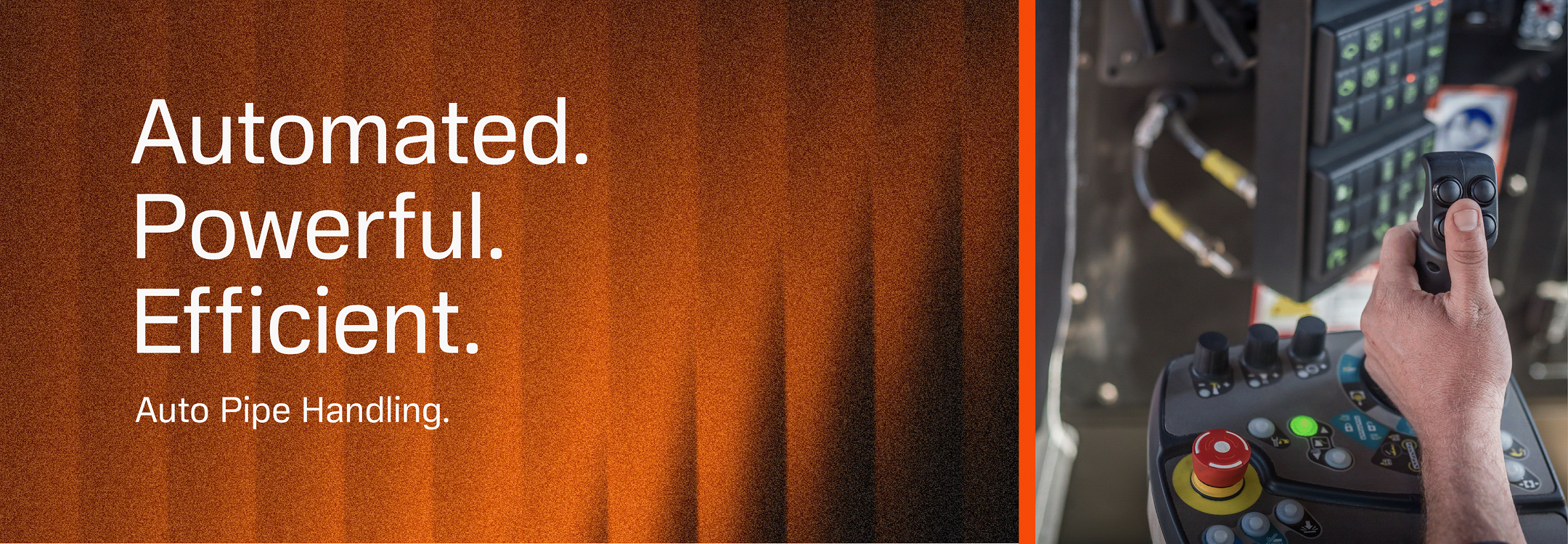
Take pipe changes out of the equation
Manual and multi-pass pipe handling can interrupt the flow of drilling every time pipe is added or removed. Operators have to stop, reposition, and make sure everything is ready before drilling can continue, which can take several minutes and add unnecessary exposure to danger.
Auto Pipe Handling changes that. Built into Sandvik’s Autodrill process, Auto Pipe Handling automatically adds and removes drill pipe with a single button and requires minimal operator monitoring. Operators stay safely in the cabin while the machine handles the work.
What Auto Pipe Handling delivers
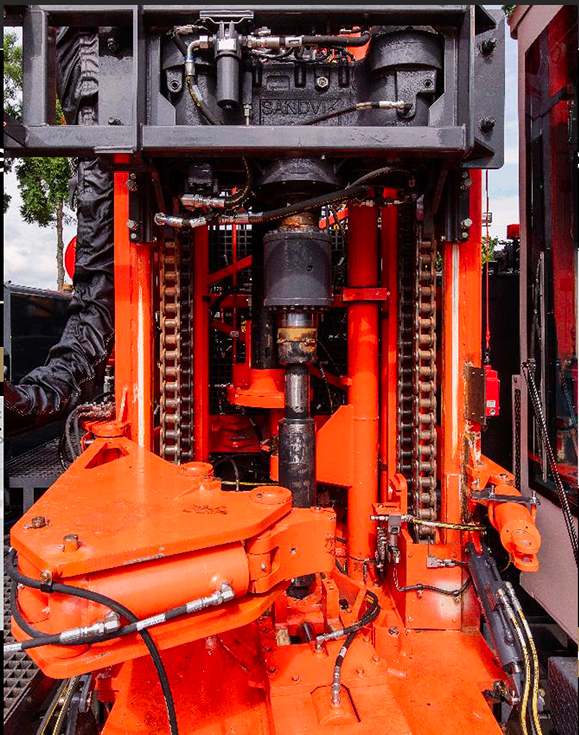
From operator safety to drilling consistency, Auto Pipe Handling takes the manual work out of pipe changes to help keep every cycle safer and more productive.
Keep operators out of the hazard zone
Manage pipe handling from the cabin instead of requiring operators to work around the drill platform and moving pipe.
Make every cycle more consistent
Automated pipe addition and removal reduces the variability and human error that can come with manual handling, delivering repeatable cycles regardless of operator experience.
Protect your tooling
More controlled, consistent pipe handling can help reduce unnecessary tooling damage and extend tooling life.
Make automation more accessible
Auto Pipe Handling lowers the skill threshold for consistent drilling by allowing less experienced operators to run automated cycles with greater repeatability.
Automation built into your iSeries drills
Auto Pipe Handling is part of the Autodrill process across Sandvik’s iSeries platform, making it a practical tool to introduce more automation into everyday drilling.
By taking pipe addition and removal out of the operator’s workload, Auto Pipe Handling helps create a more connected, consistent foundation for the next generation of surface drilling and future autonomous workflows.